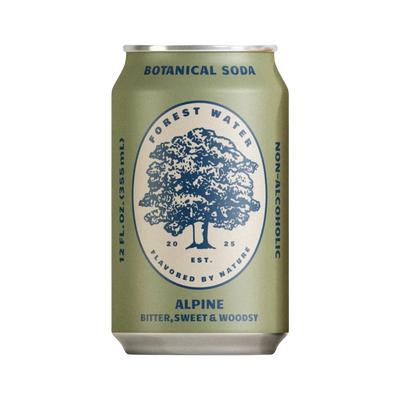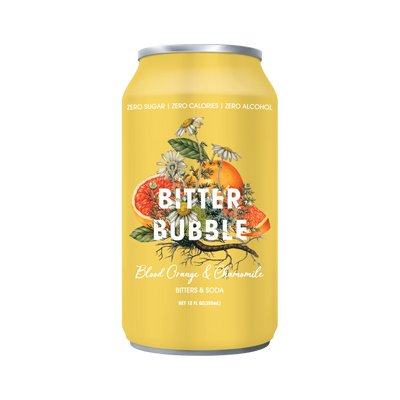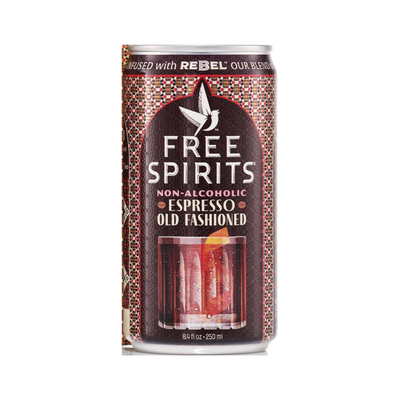
We covered the merchandising plays in the last piece: list it, integrate it, price it right, keep it cold, script the staff, run it year-round. All six assume you have already answered the harder question, which is what to stock in the first place. Most accounts answer it by accident. A rep shows up with a deal, a manager likes one brand from a festival, somebody adds a hop water because the gym crowd asked once, and eighteen months later the cooler holds nine SKUs that each turn too slowly to stay fresh.
The fix is to stop thinking in brands and start thinking in slots. A working NA set is four jobs that need filling. Fill each job with one excellent option and you cover nearly every zero-proof order your room will ever see.
Slot 01 · The NA beer
This is the volume slot and the default order, the thing a guest reaches for when they want a beer-shaped night without the beer. Pick one, and pick it on taste against real beer, not on price. A crisp lager or a hop-forward option depending on your room, cold, listed next to your drafts. If you only ever fix one slot, fix this one, because it is where most of the category's velocity lives.
Slot 02 · The cocktail-occasion drink
The second job is the ritual: the guest who wants something built, bitter, and adult, served in real glassware with a garnish, that holds its own on a table of old fashioneds. Depending on your bar's labor model this is either a zero-proof spirit or aperitif your bartenders build with, or a ready-to-pour bittersweet option that needs nothing but ice and a peel. The test for this slot is simple: would a drinker sip it slowly? Sweet mocktails fail that test. Bitter, dry, and layered passes it.
Slot 03 · The toast
The third job is celebratory and wine-shaped: the anniversary table, the pregnant guest at the shower, the person who wants a stem in hand when the glasses go up. A sparkling option with genuine acidity and restraint fills it, whether that is a dealcoholized sparkling wine or a botanical sparkler elegant enough to pass for one. This slot earns less volume than the first two and more gratitude than both combined, because the guest it serves remembers exactly which rooms had an answer for them.
Slot 04 · The wildcard, chosen by your room
The last slot is the only one that should vary by account, because it belongs to your specific clientele. A fast-casual spot near gyms and trails wants a hop water or a clean sparkling refresher. A cocktail room wants a second, weirder zero-proof build for the adventurous. A coffee-forward daytime cafe wants something bright and sessionable for the laptop crowd. Read your room, fill the slot accordingly, and treat it as the rotating seat: this is where seasonal swaps and new discoveries audition without disturbing the core three.
Stop thinking in brands. Start thinking in slots.
The discipline that makes it work
- Match the set to your menu, not your taste. The question is never which NA drinks you like. It is what your food and your existing drink list are already promising, and what a guest at your tables would expect the zero-proof version of that promise to be. A steakhouse set and a taco shop set should not look alike.
- Give every slot a review date. Sixty to ninety days is enough to know. A slot that is not turning is not evidence the category fails, it is evidence that SKU fails, so swap the SKU and keep the slot. The slot structure is exactly what makes cutting painless: you are never abandoning the program, only recasting one role.
- Hold one price anchor across the set. If the NA beer sits near your domestic draft price and the built drink sits a dollar or two under your cocktails, the whole program reads as intentional. Scattered pricing reads as clearance.
What to leave out, including our stuff
The honest section. Skip anything selling a feeling instead of a flavor: the cans promising calm, focus, or bliss from a whisper of adaptogens rarely deliver a dose that matters, and when a guest notices nothing happened, your menu wears the disappointment. Skip the me-too SKU that duplicates a job you already filled, because two options for the same slot split velocity and doubles your stale risk. And skip the temptation to stock all four slots from one supplier, ours included, if the fit is not there. A distributor who tells you that is trying to keep your trust longer than your first order, which is the whole model here.
One more honest note: four is a framework, not a law. A high-volume cocktail destination can carry six or eight and turn them. But nobody ever wrecked an NA program by starting focused, and almost everyone who wrecked one started wide.
Building the four-slot set for a specific room is most of what we do on a first visit: we look at your menu, your clientele, and your cooler space, then propose one excellent option per slot with samples on the table. If a slot does not turn, we swap it, because the framework only works if the drinks in it do.
Four slots, four great answers, one shelf that earns its space.
Build your four-slot set with us