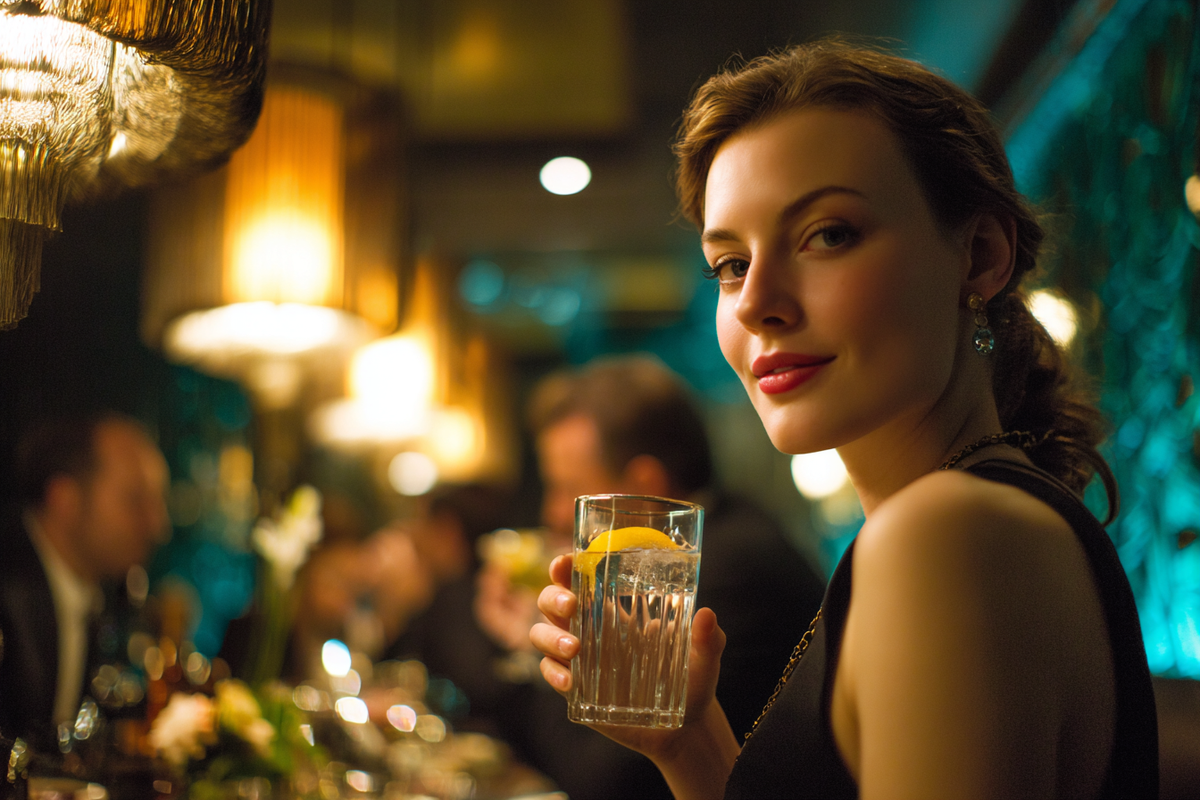
Order a club soda at a bar in 2010 and watch what happens to your face, because you are about to do a lot of work with it. Somebody asks if you are not drinking tonight, and the question is never just a question. It comes with a menu of silent guesses. You are pregnant. You are in recovery. You are the designated driver, the wet blanket, the one who cannot keep up. Whatever the real reason, the order has put you on defense, and you spend the next ten minutes explaining a beverage.
Order the same club soda at a bar today and the room does something different. Mostly nobody blinks. Occasionally somebody is faintly impressed, the way they would be if you mentioned you had been up since five for a run. Same glass, same fizz, same absence of alcohol. The order did not change. The status of the order did.
That is the whole story, and it is stranger than it sounds: the lowest-status drink in the room became a signal that you have your life handled. The short version is that around 2018, a wellness culture that had already turned self-discipline into a status symbol gave not-drinking a new name, and a camera in every pocket gave it a stage, so the same restraint that once read as weakness started reading as control. The longer version is more interesting, and you are probably standing inside it.
Drinking used to be the whole point
To feel the flip, you have to remember what got flipped. For most of modern American life, alcohol was not the thing you did despite the cost. It was the marker of arrival. The first legal drink was a rite of passage. The wine you could talk about, the whiskey you collected, the bottle you opened to mark something, the deal closed over lunch. Drinking was how you signaled that you were an adult with taste and somewhere to be. As one addiction-medicine doctor put it, there was a time when having a drink was a badge of maturity and sophistication.
The government agreed, and wrote it into the tax code. The three-martini lunch was not a figure of speech, it was a deduction. For decades the long boozy business lunch was effectively subsidized, written off as a cost of doing deals, until the first crack appeared and the deduction was cut by 80 percent in 1987. Drinking was so bound up with the idea of success that the IRS helped pay for it.
Which tells you exactly where not-drinking sat. At the bottom. If you were not drinking, the assumptions wrote themselves. You could not handle it, you were no fun, you were in trouble, or you were hiding something. There is a reason the meetings happened in church basements at odd hours. Anonymity was the entire design, and the thing it was built to hide was shame. Not drinking was not a choice you announced. It was a fact you managed.
Then somebody named the middle
So how does the bottom become the top in about a decade. The short answer is that somebody finally gave the middle a name.
In 2018, a journalist named Ruby Warrington published a book called Sober Curious, after a few years of saying the quiet part out loud at events she had been hosting since the mid-2010s. The move was not the abstaining. People had been abstaining forever. The move was the framing. Sober curious was defined against recovery. It was optional, it was wellness-coded, it did not require a rock bottom or a lifelong vow. You could just be curious about what your life felt like with less, and you could stop being curious whenever you wanted. That framing did something the basement meetings never could. It made not-drinking safe for people who were not in trouble. Today, by some surveys, around 40 percent of US consumers say they are sober-curious to some degree.
It also arrived at the perfect moment. By the late 2010s, wellness had stopped being a fringe interest and become a status economy. Yoga, meditation apps, cold plunges, the whole optimization industry had turned self-discipline into something you could wear. Sobriety walked straight into that aesthetic and changed meaning on the way in. Abstaining stopped reading as weakness and started reading as control.
The same restraint that once meant you could not handle your liquor now means you are the kind of person who handles everything.
A flex needs a stage and a prop
But a meaning shift needs a place to happen and an object to happen with, and the inversion got both.
The place was your phone. Not-drinking used to be invisible by design, a private fact you kept quiet. Social media made it performable. The mocktail is photogenic. The Dry January post is content. Sobriety became something you display rather than something you hide, and once a thing can be displayed, it can be a flex. The same screen worked the other side of the equation too. When every night out comes with a camera and a permanent record, getting visibly drunk turns into a reputational risk, because the photo does not expire. Restraint started to look like control rather than missing out, and the numbers moved with the cameras. The share of high school seniors who had ever been drunk fell from 64 percent in 1991 to 33 percent by 2024, and two-thirds of that drop happened after 2012, the year smartphones went everywhere. Meanwhile a whole layer of people built audiences performing the sober life, Warrington and Laura McKowen and Dax Shepard among them, plus a wave of young women on Instagram and TikTok, very often holding a brand.
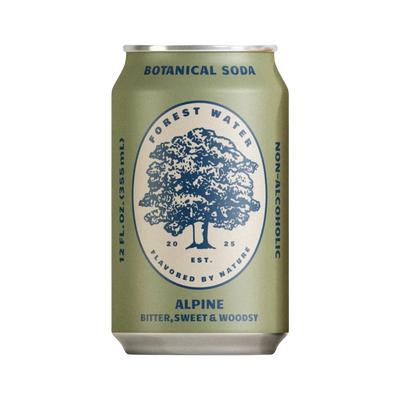
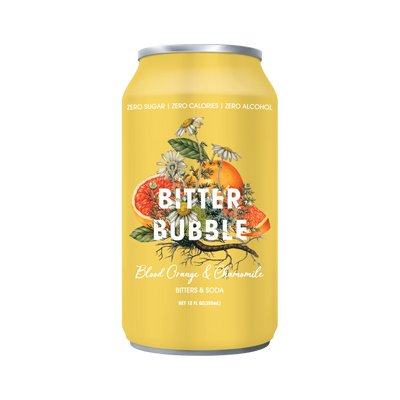
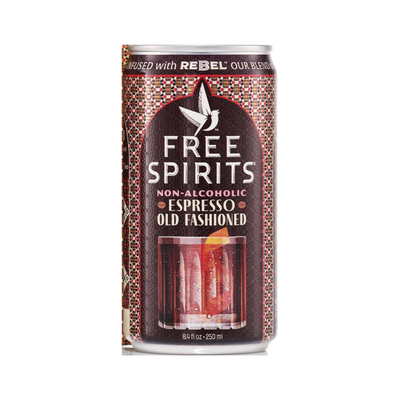
Which brings us to the object, because you cannot perform restraint with an empty hand. This is the part the wellness essays skip. A status signal needs a prop. You do not telegraph control by holding nothing, you telegraph it by holding the right thing: the good non-alcoholic can, the carefully built mocktail, the bottle that earns a place on the bar cart. The drink without alcohol became the visible marker of the new status, and that is the real reason the category went premium. A prop has to look the part. Cheap does not signal control, it just signals cheap, which is why the growth in this whole space concentrates at the premium end and above. Here is the tell that this is a flex and not a vow: more than 80 percent of the people buying America's biggest non-alcoholic beer brand still drink alcohol. They are not quitting. They are choosing what to hold.
The part the wellness essays skip
Now the part most pieces about this leave out, because leaving it out is easier.
This is not recovery, and pretending it is causes real harm. For someone with alcohol use disorder, not drinking is not a lifestyle accessory you pick up for the optics. It is a difficult, often lifelong necessity, and the sober-curious flex sits on top of a much harder reality that has nothing to do with looking optimized at a party. Clinicians keep making this point, and they are right to: sober curious is not the same thing as sobriety. Respect the difference out loud, because the people doing the hard version do not owe the trend anything.
And the second thing, which we will say even though we are part of it: this movement grew up alongside the market that sells it. Some of what looks like a movement is also marketing, and the brands selling you the prop are also, conveniently, selling you the identity. Bespoke is one of those brands. We would rather tell you that than pretend the can in the photo got there by accident.
None of which makes the flex fake. Underneath the signal there is usually a real reason people feel better, and it is the boring one. You wake up the next morning and you are fine. Status and substance are not fighting here. The signal works because the upside is real.
So if any of this feels familiar, you are not imagining it. You are standing inside a status realignment that took about ten years to flip a century of assumptions, and the useful part is that you get to decide how to wield it. The signal is real, and it is yours to send.
One piece of advice, offered in the spirit of self-preservation. Wellness performance can be insufferable, and you already know the type, the person who narrates their sobriety at you until you start hoping they will just have the drink. Do not be that. The move is to let the prop do the talking. Restraint that announces itself is not restraint, it is a different kind of showing off, and the whole point of the new status is that it looks effortless. Hold the better thing and say nothing about it. People notice.
Which is, in the end, the only thing we are actually selling. Not sobriety, not a lecture, not a personality. A better object for a signal you are already sending. The club soda that used to need an excuse does not need one anymore. It just needs a better bottle.
We spend our time finding the ones worth holding.
See what made the shelf